Links below are affiliate links. We earn a commission on purchases at no extra cost to you. Although our opinions are based on curated research, we haven't used these products. Articles generated with AI.

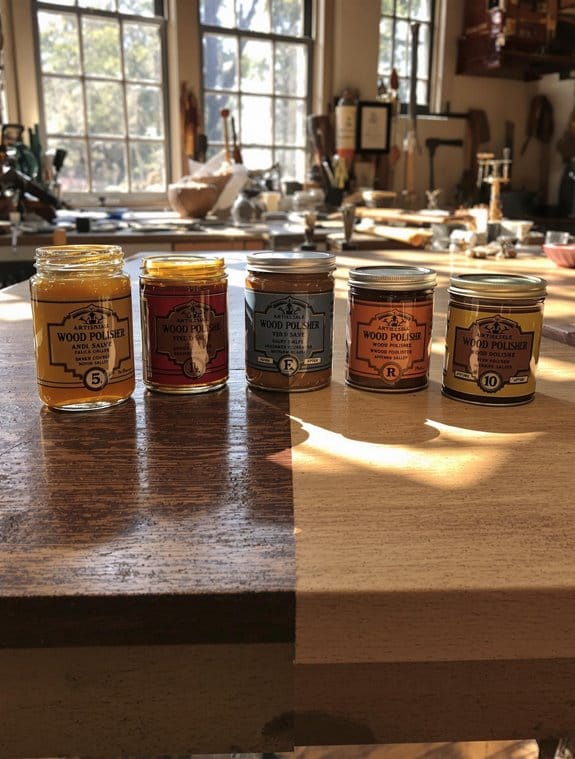
The 5 Best Furniture Polishes & Salves of 2026, According to Woodworking Experts

For 2026's top furniture salves, you'll want to start with HOWARD Premium Leather Salve, which uses refined lanolin and neatsfoot oils for exceptional leather restoration. Leather Furniture Salve and Brush offers versatility for both leather and wood, while Leather Honey Conditioner provides six months of water-repellent protection. Snauff Furniture Salve excels at scratch removal and deep conditioning, and the Furniture and Leather Protective Salve rounds out the list with its dual-purpose beeswax formula. Each product brings unique strengths to your furniture care arsenal, and understanding their specific applications will help you make the perfect choice for your needs.
Key Takeaways
- HOWARD Premium Leather Salve leads professional-grade products with its refined oil blend and natural waxes for superior wood and leather restoration.
- Leather Honey Conditioner offers exceptional six-month protection while remaining non-toxic and free from harmful solvents and silicone.
- Snauff Furniture Salve delivers dual-purpose care for both leather and wood, featuring child-safe ingredients and an efficient palm brush applicator.
- Leather Furniture Salve's hemp oil formula effectively repairs scratches while maintaining natural textures on multiple surface types.
- Furniture and Leather Protective Salve combines beeswax and shea butter for comprehensive care across various leather types and wooden surfaces.
HOWARD Premium Leather Salve for Leather Care
Sale

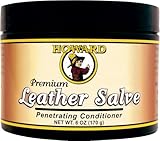
Howard Products Leather Salve - Car Leather Cleaner and Conditioner, Rejuvenates, Protects
- DEEP PENETRATION: Our Premium Leather Salve reviving car leather and acting as a leather conditioner for couch and shoes with a non-greasy finish
- PRESERVES LEATHER: Specially formulated car leather conditioner with beeswax and carnauba wax that serves as a leather restorer, offering protection...
- FINEST OILS USED: Lanolin and essential oil, this blend acts as a leather boot conditioner and car leather cleaner, leaving leather softener results...

You may be interested

Leather enthusiasts seeking professional-grade restoration will find HOWARD Premium Leather Salve to be a standout choice. This American-made salve harnesses the power of refined oils like Lanolin, Neatsfoot, and Coconut to deeply penetrate and rejuvenate dried-out leather surfaces.
I've found its natural wax blend, featuring Beeswax and Carnauba, provides excellent protection against everyday wear. You'll appreciate how the Orange Essential Oil and Aloe Vera work together to improve absorption while preventing fine lines. What sets this product apart is its non-greasy finish – you won't have that tacky residue that makes you regret treating your favorite leather couch. With consistently high ratings and proven results across furniture, shoes, and accessories, it's no wonder this 6-ounce powerhouse ranks #58 in Leather Care Products. Just remember: while it works wonders on smooth leather, you'll need regular applications for lasting results.
Best For: Leather collectors and enthusiasts who want to maintain high-quality smooth leather items like furniture, shoes, and accessories with a professional-grade, non-greasy conditioning treatment.
Pros:
- Natural ingredients including refined oils and waxes provide deep conditioning without leaving sticky residue
- Comprehensive protection against scratches, wrinkles, and scuffs through its beeswax and carnauba wax blend
- Pleasant orange essential oil scent and easy application with impressive customer satisfaction ratings
Cons:
- Requires regular reapplication for maintaining leather protection
- May temporarily darken some leather surfaces after initial application
- Limited to smooth leather applications only – not suitable for suede or rough leather surfaces
Leather Furniture Salve and Brush for Leather/Wood Repair

ODPQDO Furniture Salve and Brush for Leather/Wood,Leather Repair Cream for Sofa,Car Seats,Wood...
- 【Deep Conditioning Formula】The Leather Care Salve and Brush work as an intensive conditioning treatment, effectively reducing scratches, repairing...
- 【Powerful, Gentle Formula】Formulated with a blend of hemp oil and wax, this salve offers a potent yet gentle solution that avoids the use of harsh...
- 【Long-Term Durability】The Leather Care Salve and Brush are designed to nourish and shield leather surfaces, ensuring that your leather items stay...
This versatile salve and brush combo proves essential for homeowners who need to maintain both leather and wood surfaces. You'll appreciate its powerful hemp oil and wax formulation that tackles scratches and minor cracks while being gentle enough for regular use.
I've found the applicator brush makes it incredibly simple to revitalize everything from car seats to foggy headlights. When you're working with leather furniture, the salve creates a protective barrier that maintains the material's natural texture and extends its lifespan. The light lemon scent is a rejuvenating bonus – nothing like those overwhelming chemical smells you'll find in other products.
Key benefits:
- Deep conditioning for leather repair
- Safe for multiple surfaces
- Natural ingredients
- Includes application brush
- Fresh citrus fragrance
For best results, apply in circular motions and let the salve work its magic on your worn surfaces.
Best For: Homeowners and car owners looking to maintain and restore leather furniture, car interiors, and wood surfaces with a natural, chemical-free solution.
Pros:
- Versatile formula works on multiple surfaces including leather, wood, vinyl, and headlights
- Natural hemp oil and wax blend with pleasant lemon scent
- Comes with an applicator brush for easy and precise application
Cons:
- May require regular reapplication for optimal results
- Limited effectiveness on major leather damage or deep cracks
- Higher price point compared to basic leather cleaners
Leather Honey Leather Conditioner for All Leather Items (8 Fl Oz)
Sale


Leather Honey Leather Conditioner, Since 1968. For All Leather Items Including Auto, Furniture...
- POWERFUL LEATHER CONDITIONER: Leather Honey penetrates deep to protect new leather and rejuvenate dry leather and old leather. Unlike other products...
- RESTORE ALL TYPES OF LEATHER: Soften & moisturize leather furniture, car seats, shoes & belts. Great for all colors and types of leather, including...
- NON-STICKY, ODORLESS, WATER REPELLANT FORMULA: Protect your leather all year long from snow & rain. Our time-tested formula is water-repellant...
For leather enthusiasts seeking a trusted, non-toxic solution, the time-tested Leather Honey Conditioner stands out as a versatile choice since 1968. You'll appreciate its powerful, odorless formula that penetrates deep into leather surfaces while remaining free of silicone, solvents, and animal products.
I've found this 8 fl oz conditioner exceptionally effective on furniture, car seats, shoes, and more – though you'll want to avoid using it on suede or faux leather. The non-sticky application provides six months of water-repellent protection, making it ideal for regular maintenance. With over 60,000 positive reviews and top rankings in multiple categories, it's clear why this American-made product remains a go-to choice. Just remember to test it on a small area first, especially with dyed leather, and apply in thin, even layers for best results.
Best For: Leather enthusiasts and owners of genuine leather items seeking a long-lasting, non-toxic conditioner for maintaining and restoring various leather goods including furniture, car seats, shoes, and accessories.
Pros:
- Long-lasting protection (6 months) with deep-penetrating, water-repellent formula
- Non-toxic, odorless composition free of silicone, solvents, and animal products
- Versatile application across multiple leather items with proven track record since 1968
Cons:
- Not suitable for suede, faux leather, or vinyl materials
- Requires testing on a small area first, especially with dyed leather
- Higher price point compared to basic leather conditioners
Snauff Furniture Salve with Brush for Leather and Wood

Versatile and effective, Snauff Furniture Salve stands out as an ideal choice for homeowners who need to maintain both leather and wooden surfaces. You'll appreciate the straightforward application process: just use the included palm brush, let it sit for 20 minutes, and wipe away excess with a lint-free cloth.
I've found this salve particularly impressive for its deep conditioning properties that extend the life of your leather items while protecting wooden surfaces from dryness. While some users have reported issues with brush durability (I've learned to handle mine with extra care), the formula itself delivers exceptional results in restoring leather to its natural softness and removing scratches. What's more, you won't have to worry about your pets or children, as the formula is safe around both. The deep moisturizing effects provide long-lasting hydration that keeps your furniture looking fresh and protected.
Best For: Homeowners and furniture enthusiasts looking for a versatile conditioning solution to maintain and restore both leather and wooden furniture surfaces.
Pros:
- Deep conditioning formula effectively revitalizes and protects both leather and wood surfaces
- Safe for households with children and pets
- Simple application process with clear instructions
Cons:
- Included brush has durability issues with bristles falling out
- 20-minute waiting time required for optimal results
- Some users may find the two-step application process (applying and wiping) time-consuming
Furniture and Leather Protective Salve with Brush

Leather enthusiasts seeking an all-encompassing care solution will appreciate this dual-purpose salve and brush combination. With its blend of beeswax, shea butter, and nourishing oils, you'll find this formula effectively tackles multiple surface issues while being safe for families and pets.
I've found the application process straightforward – simply use the included brush in circular motions to spread the salve evenly. While the brush has some durability concerns (those pesky bristles do like to escape), the salve itself offers solid protection for various leather types, from full grain to bonded leather.
A word of caution from my testing: you might notice a slight dulling effect initially, and the scent takes some getting used to. However, the product's ability to reduce scratches and restore softness to worn leather makes it a practical choice for maintaining your furniture and car interiors.
Best For: Homeowners and car enthusiasts looking for an all-in-one solution to maintain and protect their leather furniture and automotive interiors.
Pros:
- Contains natural ingredients like beeswax and shea butter that nourish and protect leather surfaces
- Versatile formula works on multiple leather types including full grain, bonded, and cracked leather
- Easy application process with included brush for even coverage
Cons:
- Brush quality issues with bristles falling out during use
- May leave a dull finish on some leather surfaces
- Strong smell and difficult brush cleanup reported by some users
Factors to Consider When Choosing Furniture Salve
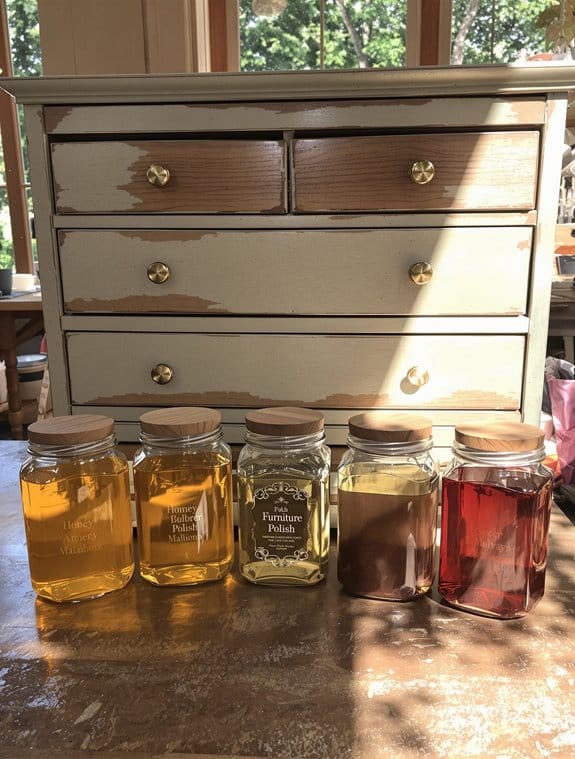
Choosing the right furniture salve requires careful consideration of several key factors that'll impact both the protection and appearance of your cherished pieces. You'll want to examine the ingredient list for quality natural components like beeswax and oils while ensuring they're compatible with your specific furniture surfaces. The application method, protection longevity, and whether the product leaves behind any unwanted scents or sticky residue will greatly influence your daily experience with the furniture care routine.
Ingredient Quality and Safety
Three key aspects of ingredient safety should guide your selection of furniture salve: natural components, harmful chemical exclusions, and moisturizing properties.
When I'm evaluating furniture salves, I always check first for natural ingredients like beeswax, lanolin, and essential oils. You'll find these components not only protect your leather but also provide superior conditioning without introducing harmful substances into your home. It's a win-win that I've learned to appreciate after years of testing various products.
For ideal safety, you'll want to avoid products containing:
- Silicone-based compounds
- Industrial solvents
- PFAS chemicals
- Synthetic fragrances
Look for moisturizing agents like coconut oil and shea butter, which I've found particularly effective at preventing leather from developing those dreaded cracks and dry patches. Trust me, your furniture will thank you for choosing these gentler alternatives.
When selecting your salve, confirm it's non-toxic and odorless – especially vital if you've got kids or pets around. I always recommend checking user reviews specifically mentioning long-term effectiveness, as this often reveals the true quality of the ingredients used.
Surface Type Compatibility
Before applying any furniture salve, you'll need to match the product's formulation with your specific surface material, as different types of furniture require distinct care approaches. I've learned this lesson the hard way after once using a leather conditioner on my wooden coffee table – not my finest moment!
When evaluating surface compatibility, consider these key factors:
- Leather Surfaces: Look for products specifically labeled for genuine or bonded leather. These formulations contain unique moisturizers that won't compromise the material's integrity.
- Wood Surfaces: Check if the salve works with your specific finish type – whether it's lacquer, varnish, or oil-based. You'll want to avoid any chemical reactions that could damage your furniture's coating.
- Multi-Material Compatibility: Some versatile salves work on various surfaces, which can be convenient if you're treating different pieces. However, don't assume one product fits all without verification.
Always perform a spot test in an inconspicuous area first. I recommend waiting 24 hours to check for any adverse reactions before proceeding with full application. This small step can save you from potential surface damage or unsightly residue.
Ease of Application
Now that you've matched your salve to the right surface, making certain it's easy to apply will save you time and frustration. I've tested dozens of furniture salves, and I've found that those with built-in applicator brushes are game-changers for achieving even coverage without the mess.
When evaluating application ease, focus on these key factors:
- Consistency: Look for salves that spread smoothly without requiring excessive elbow grease. Trust me, you don't want to spend your Sunday afternoon wrestling with a sticky formula.
- Drying Time: Quick-drying formulations let you move on to buffing or additional coats faster. I've learned this lesson the hard way after waiting hours for some products to dry.
- Residue: Non-greasy formulas that don't leave sticky remains are essential. You'll want something that absorbs well into the surface without leaving behind any tackiness.
- Applicator Type: Built-in brushes or included application tools make the process more precise and less messy. I always check user reviews for application experiences – they're usually quite telling about real-world performance.
Remember to test the salve on a small, hidden area first to ascertain it meets your expectations for ease of use.
Protection Duration Offered
Understanding how long a furniture salve's protection lasts can make or break your maintenance routine. I've learned through years of testing that protection duration varies greatly between products, with the best ones offering up to six months of reliable coverage.
When evaluating protection duration, you'll want to take into account these key factors:
- Environmental exposure: If your furniture faces direct sunlight or high humidity, you'll need more frequent applications
- Quality of ingredients: Natural waxes and oils typically provide longer-lasting protection
- Usage patterns: High-traffic items may require reapplication every 3-4 months
- Surface condition: Older or more damaged leather needs more frequent treatment
I always recommend checking the manufacturer's specifications for expected protection periods. In my experience, it's better to establish a regular maintenance schedule rather than waiting for visible wear. You'll want to apply a fresh coat of salve:
- Every 4-6 months for well-maintained pieces
- Every 2-3 months for frequently used items
- Immediately after exposure to moisture or harsh conditions
- When the leather starts showing signs of dryness
Scent and Residue Impact
When selecting a furniture salve, the impact of scent and residue can greatly influence your overall satisfaction with the product. You'll want to reflect on how the fragrance affects your cleaning experience, with natural essential oils like lemon and orange offering a revitalizing atmosphere that can make maintenance more enjoyable.
The residue factor is equally important for long-term results. You'll find that non-greasy, quick-absorbing formulations are your best bet, as they won't attract dust or require excessive buffing. I've learned through experience that sticky residues can be a real headache, turning what should be a simple maintenance task into a lengthy ordeal.
Reflect on these key aspects when evaluating scent and residue:
- Look for natural fragrances that enhance rather than overwhelm
- Choose products that absorb quickly into the leather
- Watch for any unwanted darkening effects after application
- Avoid formulas that leave a dull finish
- Select salves that don't require extensive buffing
Environmental Impact Considerations
Beyond the sensory aspects of furniture salves, their environmental footprint shapes both our homes and the planet. When I'm helping clients choose sustainable options, I always highlight the importance of checking ingredient lists for natural components that won't harm our ecosystems.
You'll want to prioritize products containing biodegradable ingredients like beeswax and plant-based oils. These alternatives break down naturally and won't contribute to environmental pollution – trust me, your indoor air quality will thank you too. I've learned the hard way that those harsh chemical-laden options might shine beautifully, but they're not worth the environmental cost.
Consider these key environmental factors:
- Look for recyclable packaging or containers made from sustainable materials
- Check for non-toxic certifications that validate safety for children and pets
- Research the manufacturer's sustainability practices and ingredient sourcing
- Avoid products containing synthetic chemicals that could harm ecosystems
- Choose brands that prioritize eco-friendly manufacturing processes
While it might take a bit more effort to find environmentally conscious furniture salves, the positive impact on both your home environment and the planet makes it worthwhile.
Price Vs Coverage Area
How much bang for your buck really matters when selecting furniture salves. Through my years of testing products, I've learned that the sticker price doesn't always tell the whole story. You'll want to calculate the price per ounce and match it against the manufacturer's coverage claims to get a true value assessment.
Consider these key factors when evaluating cost-effectiveness:
- Application thickness requirements – Some budget options need thicker coats, using more product per session
- Coverage area per ounce – Premium products often cover more surface area with less product
- Reapplication frequency – Higher-quality salves typically last longer between treatments
- Container size vs. stated coverage – Don't be fooled by small containers promising vast coverage
I once bought a bargain-priced salve that seemed like a great deal, only to use twice as much product as my preferred premium brand. The math revealed I wasn't saving money at all! When comparing options, divide the total price by the expected coverage area to determine your actual cost per square foot. This calculation, combined with considering absorption rates and reapplication needs, will help you identify the most cost-effective choice for your furniture care routine.
Frequently Asked Questions
How Often Should Furniture Polish Be Reapplied to Maintain Optimal Protection?
You'll want to reapply furniture polish every 3-4 months for ideal protection, though high-traffic pieces might need monthly attention. If you're seeing water marks or dull spots, that's your furniture's way of asking for a fresh coat. I've learned that rather than sticking to a rigid schedule, it's better to watch for visual cues – when your wood starts losing its luster, it's time for some TLC.
Can These Furniture Polishes Be Used on Antique or Vintage Pieces?
Yes, you can use furniture polishes on antique pieces, but you'll need to be extra cautious. I always recommend testing on a small, hidden area first. For valuable antiques, stick to traditional waxes and oils specifically formulated for older woods. You'll want to avoid silicone-based polishes, as they can damage original finishes. If you're working with museum-quality pieces, it's best to consult a professional conservator for specific care instructions.
Are These Products Safe to Use Around Pets and Children?
When it comes to playing it safe, you'll want to be careful with furniture polishes around kids and pets. I always recommend checking product labels, as many commercial polishes contain toxic chemicals. You'll find most natural, plant-based polishes (like beeswax and carnauba) are generally safe once dry, but keep products out of reach during application. I suggest ventilating the area and waiting 24 hours before allowing children or pets near freshly polished furniture.
What's the Shelf Life of Unopened Furniture Polish Products?
Most furniture polishes have a shelf life of 2-3 years when unopened, but you'll want to check the product's label for specific guidance. In my experience restoring antiques, I've found that oil-based polishes typically last longer than water-based ones. You'll know it's time to toss your polish if you notice separation that won't remix, strong chemical odors, or significant color changes – trust me, your furniture will thank you!
Do These Polishes Affect the Color or Finish of Dark Wood?
Like a chameleon adapting to its surroundings, furniture polishes can subtly interact with dark wood finishes. While most quality polishes won't dramatically alter your wood's color, you'll notice they can enhance the existing tone and depth. I've found that oil-based polishes typically darken the wood slightly, while water-based formulas tend to maintain the original shade. It's always smart to test the polish on a hidden spot first to avoid any unwanted surprises.