Links below are affiliate links. We earn a commission on purchases at no extra cost to you. Although our opinions are based on curated research, we haven't used these products. Articles generated with AI.

5 Best Ways to Sell Used Furniture (And Actually Make Money)

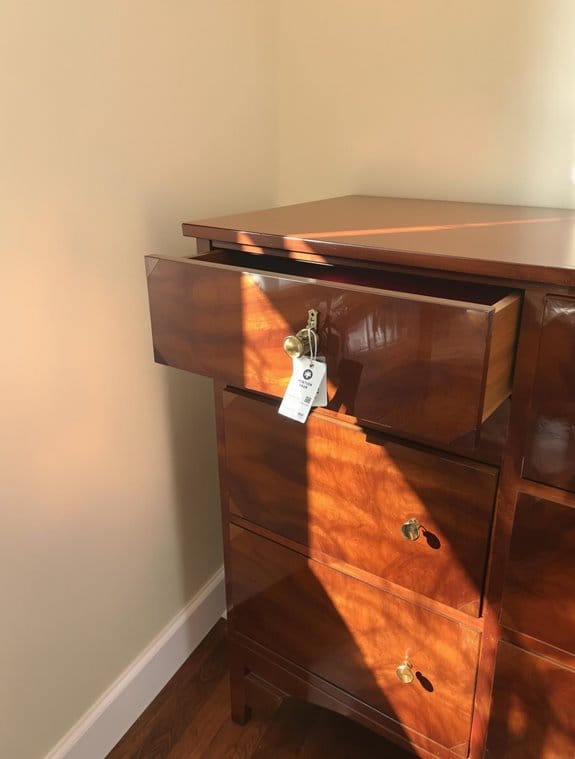
To maximize profits selling used furniture, focus on these five proven strategies: thoroughly document condition with well-lit photos from multiple angles, research comparable prices on platforms like Facebook Marketplace and Craigslist, target your ideal buyer demographic (students, apartment dwellers, or home office workers), highlight key features like storage solutions and adjustable components, and maintain transparent communication about any flaws or wear. You'll typically get 20-50% of the original retail price for well-maintained pieces, but premium brands can fetch higher amounts. Clean, repair, and stage items professionally – the more effort you invest upfront, the better your returns will be.
Key Takeaways
- List furniture on multiple online platforms like Facebook Marketplace, Craigslist, and OfferUp to maximize visibility and reach potential buyers.
- Take high-quality, well-lit photos from multiple angles, documenting both features and flaws to build trust with potential buyers.
- Research comparable items to price competitively, typically at 20-50% of original retail value depending on condition and brand reputation.
- Offer delivery options or bundle deals to stand out from competitors and increase the likelihood of successful sales.
- Provide detailed descriptions including dimensions, materials, and condition, while maintaining clear communication throughout the selling process.
Best Choice Products Faux Leather Convertible Futon Sofa Bed
You may be interested


Space-conscious shoppers seeking a dual-purpose furniture piece will appreciate the Best Choice Products Faux Leather Convertible Futon Sofa Bed. You'll get versatility with its three adjustable backrest positions and quick conversion from sofa to bed, making it perfect for apartments or dorm rooms. The 500-pound weight capacity comfortably seats two people.
I've found that while assembly is straightforward, mainly involving attaching legs and cupholders, you might encounter missing pre-drilled holes for front legs. The modern design with chrome metal legs and tufted faux leather looks sleek, but don't expect luxury-level comfort. At around $200, it's an Amazon bestseller that works best for occasional use or guest rooms. When selling this piece used, highlight its space-saving features and removable armrests, but be upfront about its firm cushioning.
Best For: Budget-conscious apartment dwellers, college students, or anyone seeking a compact, convertible seating solution for occasional guests in small spaces.
Pros:
- Easy assembly and quick conversion between sofa and bed positions
- Space-saving design with removable armrests and modern aesthetic
- Sturdy 500-pound weight capacity and durable chrome metal legs
Cons:
- Firm cushioning may be uncomfortable for extended sitting or sleeping
- Some units have missing pre-drilled holes causing assembly issues
- Quality may not meet expectations for the price point, especially regarding padding and comfort
Yaheetech Lift Top Coffee Table with Hidden Storage
Sale


Yaheetech Coffee Table, Lift Top Coffee Table with Large Hidden Storage Shelf, Lift Tabletop Dining...
- Smooth Safe Lift Top Coffee Table:Smooth safe lift top with gas spring for easy open and close, anti-pinch structure protects your hands well...
- Easy Assembly Coffee Table:Upgraded assembly design with a complete bilingual illustrated manual and detailed step-by-step instructions. One-person...
- Storage Master: A hidden storage compartment beneath the top keeps your everyday items like laptop, remote controllers, game controllers handy and...
Versatility meets farmhouse charm in the Yaheetech Lift Top Coffee Table, making it an attractive option for apartment dwellers and home office enthusiasts. At 38.6 inches, this rustic brown table transforms from a standard coffee table into a workspace with its clever lift-top mechanism, though you'll want a buddy for assembly—trust me, those lift mechanisms can be tricky solo.
Construction-wise, you're getting CARB P2 compliant MDF with a water-resistant veneer that stands up to daily use. The hidden compartment beneath the top is perfect for stashing laptops and controllers, while the open shelf handles your books and blankets. Just keep the heavier items up top, as the storage compartment's base isn't quite as robust. When selling, highlight the dual functionality and farmhouse aesthetic—these features tend to attract buyers looking for space-saving solutions with style.
Best For: Apartment dwellers, home office workers, and small-space enthusiasts seeking a multi-functional piece that combines storage with an adjustable workspace in a rustic farmhouse style.
Pros:
- Versatile lift-top design provides flexible workspace and dining surface
- Hidden storage compartment plus open shelf offers ample organization options
- Attractive rustic farmhouse aesthetic with water-resistant veneer finish
Cons:
- Assembly requires 1-2 hours and preferably two people
- Storage compartment base made of thinner MDF, limiting weight capacity
- Lift mechanism can be wobbly and instructions could be clearer
WLIVE 5-Drawer Fabric Dresser Storage Organizer
Sale

WLIVE Dresser for Bedroom with 5 Drawers, Wide Chest of Drawers, Fabric Dresser, Storage Organizer...
- MULTIFUNCTION DRESSER: Match perfectly with other WLIVE storage towers; This chest of drawers is great for bedroom, closet, living room, hallway, dorm...
- LARGE STORAGE SPACE: The dresser for bedroom is ideal for organizing your clothes and daily necessities; Wood top can place things you want to display...
- STURDY ORGANIZER UNIT: Strong steel frame offers stable support and ensures years of use; Non-woven fabric bins are easy to clean. The dresser can...
Dorm residents and apartment dwellers will find the WLIVE 5-Drawer Fabric Dresser a practical storage solution that doesn't overwhelm small spaces. At just over 39 inches wide and under 12 inches deep, it's perfect when you're working with limited square footage.
I've found the non-woven fabric drawers particularly convenient for storing lighter items like t-shirts and accessories. While you'll want to avoid stuffing it with heavy sweaters, the steel frame provides reliable support for daily essentials. The wood top doubles as a display surface for your lamp or photos, and you can even use it as a TV stand for smaller screens.
Assembly takes about 30-45 minutes, and they've included extra parts (because we all know I'm not the only one who occasionally loses a screw). The dark grey finish looks sleek in any room, from bedrooms to hallways.
Best For: College students, apartment dwellers, and anyone needing lightweight storage in small spaces who primarily needs to organize clothes and accessories.
Pros:
- Compact dimensions (39.1" x 11.7" x 21.7") make it perfect for tight spaces while providing ample storage
- Quick and straightforward assembly with extra parts included and helpful video instructions
- Versatile design with wood top surface that can double as a TV stand or display area
Cons:
- Not sturdy enough for heavy items like jeans and bulky sweaters
- Smaller size than some customers expected
- Some reports of damaged wood tops during shipping
AOJEZOR Small Bathroom Storage Cabinet for Toilet Paper

AOJEZOR Bathroom Storage Cabinet: Small Bathroom Storage Cabinet - Toilet Paper Holder Fit for Mega...
- Narrow Storage: this skinny bathroom storage cabinet work great for small spaces that need organization, it's purpose in a slim space at a great...
- Multi-purpose Storage: use this small storage cabinet to organizing any room;use it as toilet paper stand between the wall and toilet in bathroom;used...
- Easy Assemble:This toilet paper storage holder made of two section construction,easy to install,follow up assembly instruction step by step;Note:props...
A slim profile champion of organization, the AOJEZOR bathroom storage cabinet proves ideal for sellers looking to showcase smart storage solutions. At just 6.7 inches wide and 29.9 inches tall, you'll find this PVC cabinet slots perfectly between fixtures while maximizing vertical space.
When listing this piece, highlight its versatility – it's not just for toilet paper storage. I've seen these units successfully marketed as nightstands, plant displays, and general storage solutions. The white finish and clean lines appeal to minimalist buyers, while the easy two-section assembly is a major selling point. Remember to mention the cabinet's practical maintenance – a simple wipe-down keeps it looking fresh.
Based on its 4.3-star rating and #1 ranking in Bathroom Furniture Sets, you can confidently market this as a proven storage solution. Just be upfront about its lightweight construction to set appropriate expectations.
Best For: Homeowners and renters with small bathrooms seeking a slim, versatile storage solution that can fit in tight spaces between fixtures while maintaining a clean, minimalist look.
Pros:
- Space-efficient design at just 6.7 inches wide, perfect for narrow gaps between bathroom fixtures
- Versatile functionality serving as toilet paper storage, nightstand, or plant display shelf
- Simple two-section assembly with clear instructions and easy maintenance
Cons:
- Lightweight PVC construction may feel less sturdy compared to solid wood alternatives
- Limited weight capacity due to material composition
- Props and decorative items shown in product images not included with purchase
Folding Storage Ottoman with Removable Bin by Lavish Home
Sale
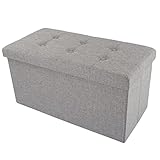
Lavish Home Folding Storage Ottoman - 30-Inch Tufted Footrest, Linen Chest, or Bench with Removable...
- STORAGE BENCH - This ottoman bench features a lift top lid with a spacious inside compartment, great for storing pillows, books, clothes, and more...
- VERSATILE USE - The bench with storage is great for use as a foot stool, blanket storage, linen chest, end-of-bed storage, or entryway bench. The...
- STURDY COMFORT - The body of this ottoman storage is constructed from sturdy MDF materials, while the padded lid provides a comfortable place to put...

Small-space dwellers and frequent movers will appreciate the Folding Storage Ottoman by Lavish Home. When I first discovered this versatile piece, I was impressed by its ability to transform from a slim 2.6-inch profile to a full-sized 30-inch ottoman. You'll find it's perfect for apartments, dorms, or RVs where every inch counts.
The ottoman's light gray polyester fabric complements most decor styles, while its sturdy MDF construction supports up to 50 pounds. I've found the removable bin particularly handy for organizing smaller items like remotes or magazines. You'll love how the padded tufted top provides comfortable seating while concealing ample storage space underneath for blankets, pillows, or seasonal items. With 4.7 stars from over 6,000 reviews, it's clear I'm not alone in appreciating this space-saving wonder.
Best For: Space-conscious individuals living in apartments, dorms, or RVs who need versatile furniture that combines seating, storage, and easy portability.
Pros:
- Collapsible design folds nearly flat (2.6 inches) for easy storage and transport
- Multifunctional piece serves as seating, storage, and footrest with 50-pound weight capacity
- High customer satisfaction with 4.7/5 stars from over 6,000 reviews
Cons:
- Limited weight capacity of 50 pounds may restrict some uses
- Single color option (light gray) might not suit all decor preferences
- Removable bin is relatively small at 13" x 7" x 4", limiting its organizational utility
Factors to Consider When Choosing to Sell Used Furniture
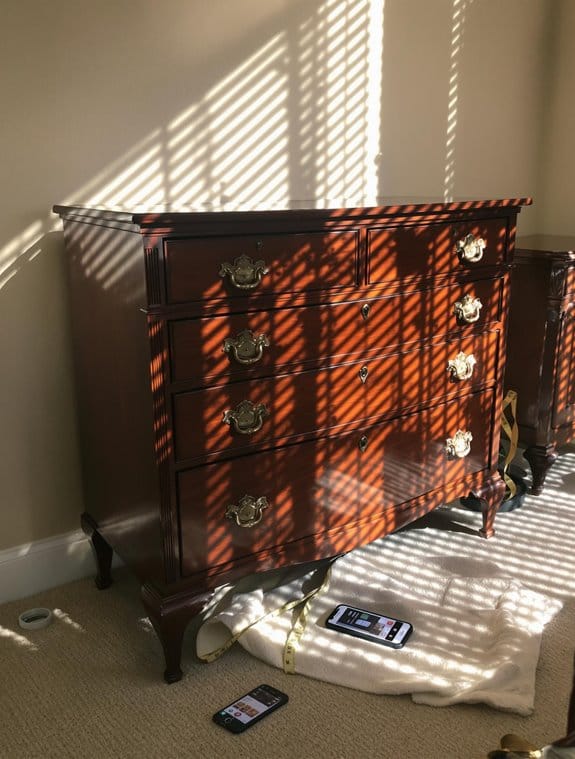
Before putting your furniture up for sale, you'll need to carefully evaluate several key factors that impact your item's marketability and potential selling price. First, check the overall condition, research comparable prices, and document any existing wear or damage that buyers should know about. Consider how current style trends and ease of assembly might affect your furniture's appeal, since these factors can greatly influence what buyers are willing to pay.
Assess Item's Overall Condition
When deciding to sell used furniture, thoroughly evaluating its condition will help you determine both marketability and fair pricing. I've learned that buyers are particularly watchful for structural issues, so you'll want to start with a detailed inspection of all joints, legs, and weight-bearing components.
Next, examine your furniture's upholstery with a critical eye – trust me, potential buyers certainly will! Look for any stains, tears, or worn patches that might affect the piece's value. You'll also need to check beneath cushions and in crevices for signs of pests or infestations, as these issues can instantly tank your selling prospects.
Don't forget to test all moving parts. Open and close those drawers, swing those cabinet doors, and verify hinges aren't squeaking (though I've found a little WD-40 can work wonders here). Finally, step back and assess the overall aesthetic appeal. While that bright orange velvet might've seemed trendy in the '70s, you'll need to take into account how today's buyers might view it. The current style and color scheme can greatly impact your ability to find the right buyer and secure a fair price.
Research Market Value First
Successfully pricing used furniture requires thorough market research to avoid leaving money on the table or scaring away potential buyers. Start by researching your piece's original retail price – this gives you a solid baseline since used furniture typically sells for 20-50% of its original cost.
You'll want to explore online marketplaces and local classifieds to see what similar pieces are selling for in your area. I've found that checking multiple platforms like Facebook Marketplace, Craigslist, and OfferUp gives you the most accurate picture of current market values.
Consider these key value factors:
- Brand reputation and quality (higher-end brands maintain value better)
- Age and overall condition
- Recent comparable sales in your location
- Current local demand for your furniture style
Remember to document any wear or damage with clear photos – transparency builds trust with buyers and helps justify your asking price. I learned this lesson the hard way when I tried selling my dining set without showing a minor scratch, only to have buyers negotiate harder during in-person viewings. Track recently sold items for a few weeks to understand price trends before listing your piece.
Document Wear and Damage
Thorough documentation of wear and damage builds on your market research by helping you set realistic expectations and prices.
When I'm evaluating furniture for sale, I follow a systematic approach that I've developed over years of buying and selling:
- Examine all visible surfaces under good lighting, documenting every scratch, dent, or discoloration. Trust me, buyers will spot what you miss, so it's better to be thorough now!
- Test structural integrity by checking:
- All joints and connection points
- Weight-bearing elements
- Stability on level surfaces
- Moving parts like drawers and hinges
- For upholstered pieces, you'll want to:
- Look for water stains or discoloration
- Check for odors that might indicate mold
- Inspect seams and cushion firmness
- Document any tears or worn spots
Take clear, well-lit photos of any damage you find. You don't need to highlight every minor scratch, but being upfront about significant wear prevents wasted time with disappointed buyers. Remember, what you might consider "normal wear" could be a deal-breaker for someone else, so document thoroughly and price accordingly.
Consider Style and Trends
Understanding current furniture trends can make or break your sale success. When I'm evaluating pieces to sell, I always start by checking how well they align with today's popular design aesthetics. You'll want to focus on items that fit into modern, rustic, or minimalist categories, as these styles consistently attract buyers.
Keep these key style factors in mind:
- Neutral colors and natural materials typically sell faster than bold or synthetic options
- Well-maintained pieces with quality craftsmanship command premium prices
- Regional preferences matter – what sells in urban areas might not work in suburban markets
- Vintage and retro pieces are experiencing a major comeback
I've found that furniture with clean lines and versatile design elements tends to move quickly. If you're dealing with pieces that don't perfectly match current trends, consider simple updates like new hardware or a fresh coat of neutral paint. Remember to research your local market's specific preferences – I once tried selling mid-century modern pieces in a traditionally-styled neighborhood and learned that lesson the hard way. When in doubt, classic styles and timeless materials like solid wood or metal frames usually maintain their appeal.
Evaluate Assembly Requirements
When you're listing used furniture for sale, assembly complexity can greatly impact buyer interest and final sale prices. Potential buyers often hesitate when faced with complicated reassembly requirements, so it's essential to be upfront about the process.
Before listing your item, consider these key assembly factors:
- Time Investment: Note if the piece takes 1-2 hours to put together and whether it requires multiple people for certain steps. Buyers appreciate knowing what they're getting into.
- Instructions Availability: Keep the original assembly guide if possible. If you've misplaced it, check if PDF versions are available online – this can be a major selling point.
- Required Tools: Create a detailed list of necessary tools. Don't assume buyers have everything they'll need; being specific helps set proper expectations.
- Assembly Condition: Document any modifications you've made during assembly or note if certain parts might need reinforcement. I've learned the hard way that transparency about stripped screws or slightly loose joints saves headaches later.
- Material Quality: Share how well the furniture has held up through disassembly/reassembly cycles, as this indicates overall durability and construction quality.
Check Material Quality
Material quality serves as the cornerstone of any furniture's value and longevity. When you're preparing to sell your used furniture, you'll want to thoroughly assess its materials to determine a fair price point and appeal to potential buyers. I've learned that customers often scrutinize material quality more closely than any other aspect.
Here's what you should evaluate:
- Solid Wood: Check for genuine hardwood versus particleboard or veneer. You'll command higher prices for solid wood pieces, especially if they're well-preserved.
- Upholstery: Examine fabric integrity, looking for wear patterns, stains, or fraying. Premium materials like leather or high-grade synthetics typically retain better resale value.
- Construction Elements: Document joinery techniques and hardware quality. Dovetail joints and brass fixtures are selling points worth highlighting.
- Surface Finishes: Note any protective coatings or treatments that enhance durability. Be ready to explain if you've refinished or restored any surfaces.
- Material Authenticity: If you have original documentation about materials used, keep it handy. Buyers appreciate knowing exactly what they're getting, and I've found it helps justify your asking price.
Remember to photograph material details clearly – those close-up shots can make all the difference in attracting serious buyers.
Measure Space Requirements
Beyond evaluating your furniture's physical condition, accurate measurements can make or break a successful sale. You'll want to help potential buyers understand exactly how your piece will fit into their space, saving everyone time and preventing returns.
Start by measuring your furniture's length, width, and height with precision – I've learned the hard way that "eyeballing it" leads to unhappy buyers. Document these key dimensions:
- Overall footprint (length x width)
- Height at the tallest point
- Internal dimensions for storage pieces
- Clearance needed for functionality (drawer pull-out space, recliner extension)
- Weight (approximate if exact isn't possible)
Don't forget to measure doorways and access points. I always include a note about minimum doorway width required for delivery – it's a detail buyers often overlook until it's too late. For sectionals or multi-piece items, provide measurements for each component separately.
Remember to photograph your furniture with a measuring tape or ruler visible in some shots. This visual reference helps buyers better understand scale and can reduce the back-and-forth questions about dimensions during the sales process.
Frequently Asked Questions
How Do I Determine if My Used Furniture Is Worth Selling?
To determine if your furniture is worth selling, evaluate these key factors: overall condition (check for damage/wear), brand quality (premium brands hold value better), age (vintage pieces can be valuable), and current market demand. You can research similar items on marketplace sites, get an appraisal, or use apps like WorthPoint. If it's in good shape and comparable pieces are selling well, you've likely got a sellable item.
Should I Clean or Repair Furniture Before Listing It for Sale?
Yes, you should definitely clean and repair furniture before selling it! You'll get better offers and faster sales when items look their best. Start by thoroughly cleaning surfaces, removing stains, and tightening loose parts. If repairs are simple and cost-effective (like fixing a wobbly leg), make them – but skip major overhauls that won't boost the price considerably. I've found that even basic cleaning can increase perceived value by 20-30%.
What's the Best Time of Year to Sell Used Furniture?
According to industry data, furniture sales spike by 30% during peak moving seasons. You'll find your best opportunities from May through September, when college students relocate and families plan moves before the new school year. I've had great success selling during early summer, particularly in June. The warm weather makes transport easier, and buyers are more willing to schedule viewings. Avoid December through February, when furniture sales typically slump.
How Can I Safely Accept Payment When Selling Furniture Online?
When selling furniture online, you'll want to prioritize secure payment methods. Cash is safest for local sales – meet at your bank or police station. For shipping, use PayPal Goods & Services, which offers buyer/seller protection. Never accept personal checks or wire transfers. If someone's pushing alternative payment apps, that's a red flag. I've learned from experience that payment platforms like Venmo are best reserved for friends, not furniture sales.
What Documentation Should I Keep When Selling Used Furniture?
Like a careful accountant safeguarding their records, you'll want to keep these essential documents when selling furniture:
- Sales receipt with item description, price, date, and both parties' contact information
- Photos of the furniture before the sale
- Text/email communications with the buyer
- Payment confirmation (digital or paper)
- Any warranties or original documentation you're transferring
- Bill of sale for higher-value items
Keep these records for at least a year.